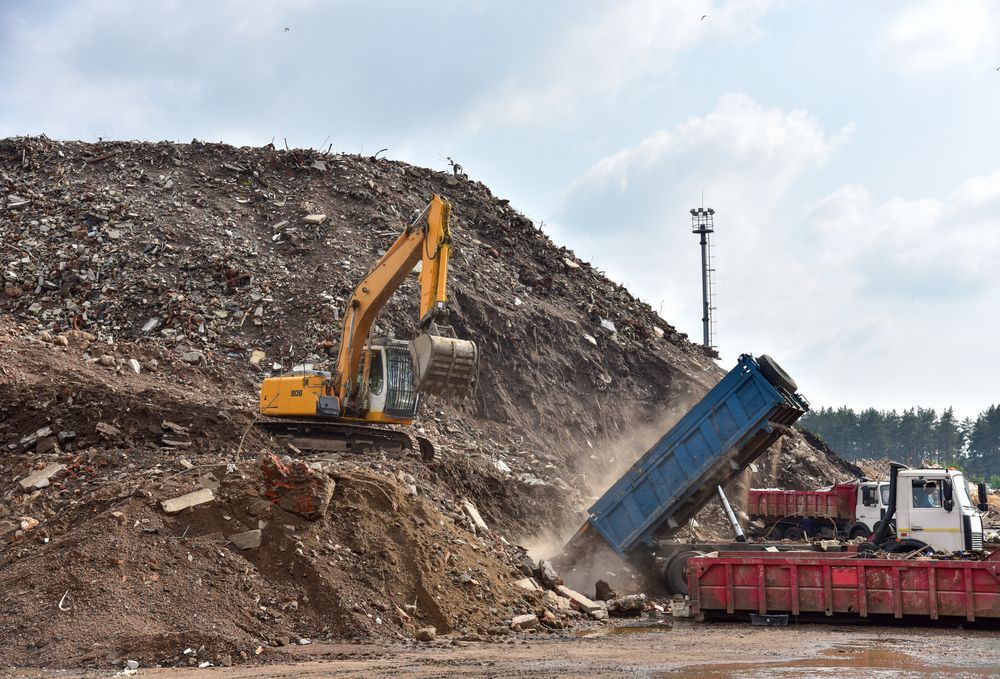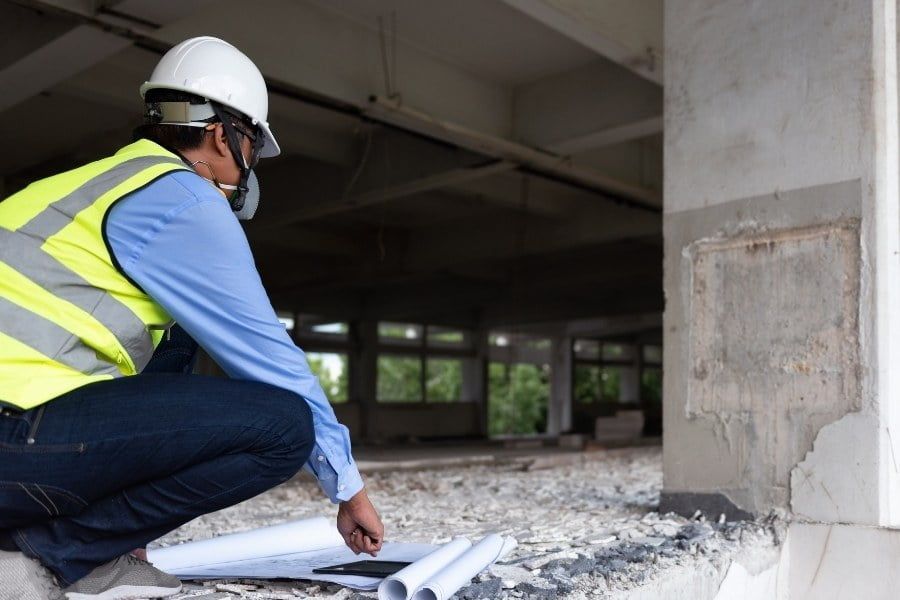
How Commercial Demo Preps Brownfields for Reuse
Share this article:
Urban corridors across the Midwest are dotted with sites shaped by past industrial activity, many of them sitting idle despite strong potential. These properties carry a legacy of use that complicates redevelopment and can slow decisions for both investors and municipalities. The challenge is to protect environmental health while still moving projects forward. A clear plan at the outset helps, and early-stage demolition often becomes the first practical step in turning dormant land into a productive asset again.
What Are Brownfields in Commercial Development
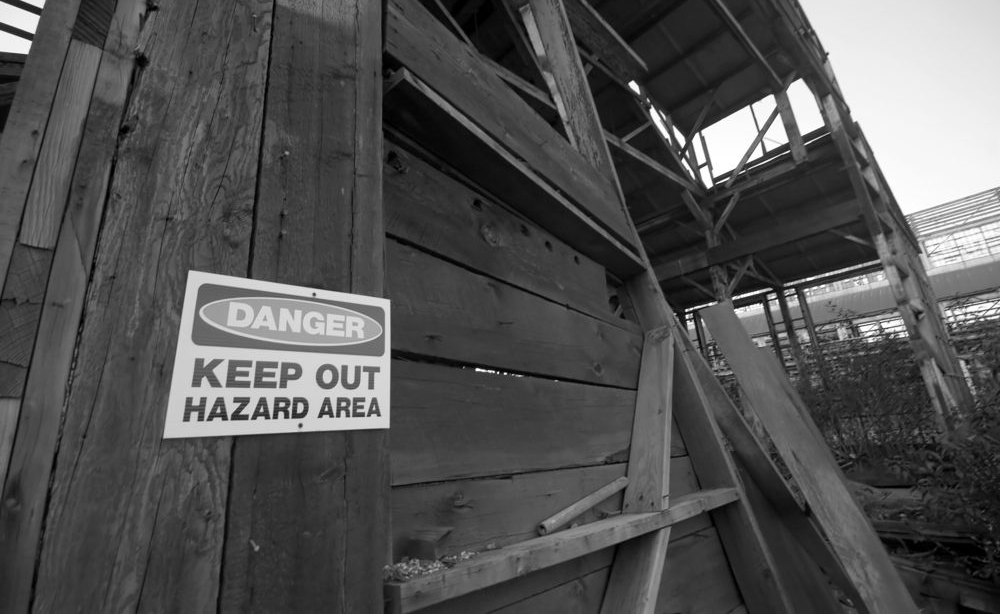
Brownfields are properties where former industrial or commercial activity has left behind environmental concerns that limit straightforward reuse. Many of these sites sit in prime locations, yet uncertainty around contamination, structural stability, and regulatory expectations can stall progress. Municipalities and property owners often begin by deciding what to do with what is already standing on the site, including the question of preserving or removing aging buildings.
Older structures may no longer meet current safety codes or fit the future vision for the property. Deteriorated materials, unknown subsurface conditions, and years of deferred upkeep all add to the complexity. Brownfields are more than empty lots. They mark a turning point where thoughtful planning, environmental awareness, and coordinated demolition work together to prepare land for its next use.
How Commercial Demolition Supports Reuse
Redevelopment moves ahead once project teams understand what can be safely cleared and what must be addressed before new construction begins. Commercial demolition brings that clarity by systematically removing outdated buildings and opening access to the ground and infrastructure beneath them. This process lets teams evaluate soil conditions, existing utilities, and environmental risks without physical barriers in the way.
Planning often includes early estimates of
demolition costs so stakeholders can align budgets with long-term goals. When handled with care, demolition is more than clearing a lot. It creates a controlled setting where future construction can proceed with fewer surprises.
As structural barriers come down and the entire property becomes visible, teams can see the true scope of the site. That visibility leads to better decisions, fewer mid-project disruptions, and stronger coordination across contractors, consultants, and local partners.
The Role of Demolition in Site Remediation
Many brownfield projects must handle environmental issues tied to previous activity before redevelopment can proceed. Demolition has a central role in that work. Removing buildings that contain asbestos, lead, or other contaminated debris creates a path to identify, manage, and dispose of these materials under the guidance of established regulations.
An
engineered demolition plan guides this process. It outlines the sequence for taking down each portion of the structure and details the precautions needed to protect nearby properties and people. This planning stage helps environmental consultants, demolition contractors, and local agencies coordinate their efforts so remediation can move ahead in a controlled way.
Once structures are cleared, crews gain direct access to soil and groundwater for additional testing and treatment. In this setting, demolition is part of a broader strategy to return the land to a condition that can support new investment and long-term use.
Key Steps in Brownfield Site Preparation
Preparing a brownfield for redevelopment usually follows a structured sequence that organizes complex conditions into manageable stages. Each step builds on the previous one and moves the site closer to construction readiness.
1. Site Assessment and Testing.
Environmental reviews look at contamination, building stability, and subsurface conditions. These findings define the scope of work and shape coordination with regulators.
2. Planning and Permitting.
Project teams develop a clear strategy for taking down existing buildings, aligning schedules, safety measures, and environmental guidelines before field work begins.
3. Utility Disconnection and Site Preparation.
Existing utilities are safely shut off or rerouted, and the area is secured so demolition can proceed in a controlled environment.
4. Selective Demolition and Material Handling.
Crews dismantle structures in a planned sequence, separating recyclable materials and managing hazardous components according to accepted practices.
5. Subsurface Evaluation and Remediation Access.
After the above-ground elements are removed, teams can reach soil and groundwater for additional investigation or treatment as needed.
6. Site Stabilization and Grading.
Final grading creates a stable surface and sets the groundwork for future construction, turning the property into a workable platform for redevelopment.
This step-by-step path brings consistency to projects that often start with many unknowns.
Environmental Factors in Demolition Projects
Environmental considerations influence every phase of a brownfield project and shape how demolition is designed and carried out. Clear categories help stakeholders quickly understand the main areas of focus.
Key environmental factors include:
- Hazardous Material Identification. Older buildings may contain asbestos, lead-based coatings, or other regulated materials that must be documented and handled with care.
- Dust and Air Quality Control. Managing dust protects nearby properties and helps projects stay in line with local air quality standards.
- Soil and Groundwater Protection. Excavation and hauling activities are planned to limit the spread of contaminants and protect the integrity of the site.
- Noise and Vibration Management. Monitoring and control measures help reduce disruption to neighbors and protect adjacent structures.
- Waste Segregation and Disposal. Debris is sorted so recyclable materials can be recovered, and the remaining waste can be sent to appropriate facilities.
- Regulatory Compliance. Ongoing coordination with environmental agencies keeps the project aligned with permits, documentation needs, and reporting milestones.
Why Brownfield Redevelopment Starts with Demo
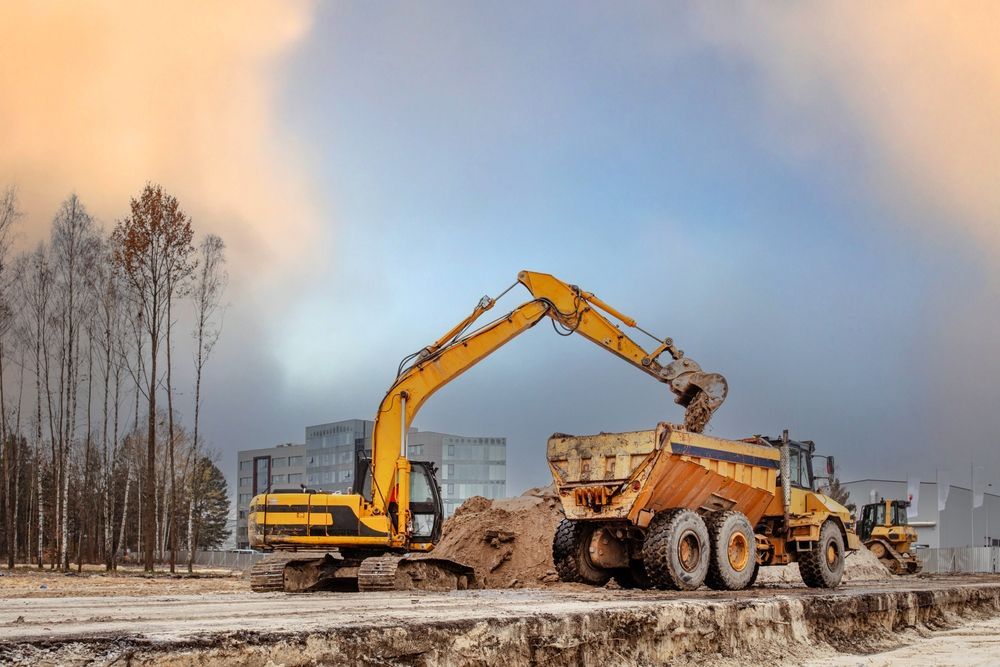
Brownfield projects gain momentum once uncertainty is reduced and site conditions are clearly documented. Demolition often marks the beginning of that shift. Removing obsolete structures exposes the ground conditions, utilities, and environmental challenges that must be addressed before new work begins.
This early phase helps bring together environmental findings, planning decisions, and future construction goals in one cohesive direction. For owners and municipal leaders, starting with demolition adds predictability, supports realistic schedules, and encourages land use choices that benefit the surrounding community.
Partnering with an experienced contractor brings discipline to each stage of the work and keeps teams aligned from the outset. For owners considering brownsfield demolition as part of a larger redevelopment strategy, working with a qualified team helps balance environmental responsibility with project momentum. To explore a potential brownfield project,
contact Alpine Demolition Services or submit a
request for a bid and begin planning the next phase of redevelopment with confidence.