Adaptive Reuse vs. Full Demolition
Share this article:
Urban corridors across Chicagoland continue to change as aging structures encounter new development pressures. Some buildings retain architectural character and structural value, while others constrain growth and safety. Property owners and municipal leaders must weigh complex choices with long-term consequences. The decision between adaptive reuse and full demolition influences budgets, timelines, community impact, and the future direction of a site. Each path involves distinct planning considerations and redevelopment implications. For many properties across the region, the choice between adaptive reuse vs. full demolition sets the tone for how a site will evolve over the coming decades.
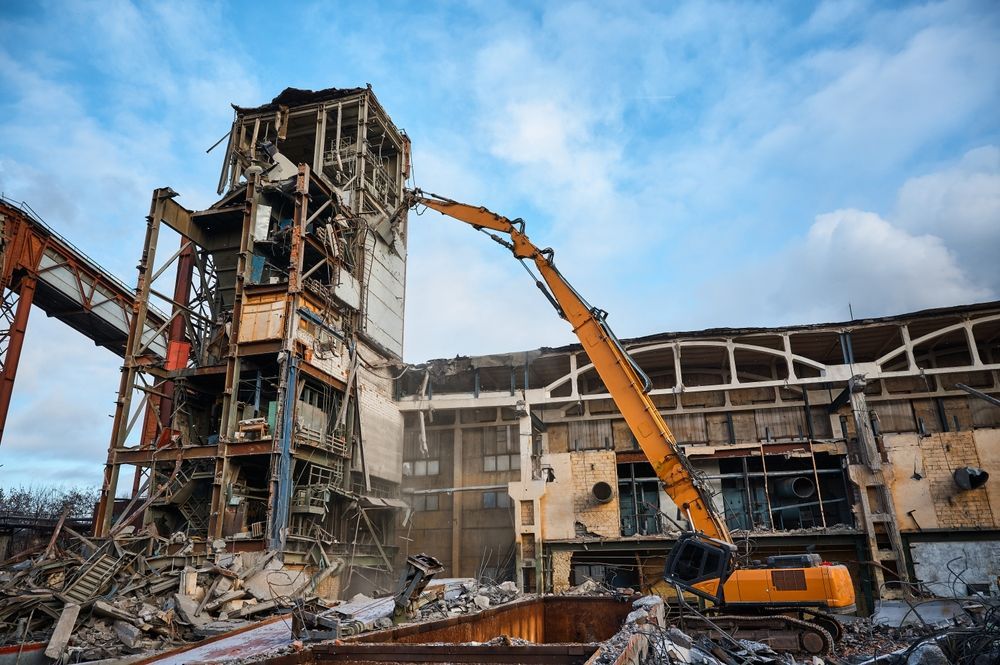
What Is Adaptive Reuse?
Adaptive reuse is the process of repurposing an existing structure for a new function while retaining much of its original framework. Instead of clearing the site entirely, teams maintain structural elements such as foundations, load-bearing walls, or exterior façades and reconfigure the interior for updated use. Common examples include converting warehouses into office space, factories into residential lofts, or schools into mixed-use facilities.
This approach often appeals to communities that want to preserve architectural character while encouraging economic growth. It can also align with sustainability goals by reducing debris and conserving materials already in place.
At the same time, adaptive reuse calls for detailed structural assessments, code upgrades, and careful planning to meet modern safety standards. The viability of a project depends on the building’s condition, intended purpose, and long-term redevelopment goals established by ownership and municipal stakeholders.
What Does Full Demolition Involve?

Full demolition is the complete removal of a structure down to grade, clearing the site for new construction or alternative land use. This process begins with engineering assessments, permitting, utility disconnections, and environmental reviews. From there, contractors select appropriate demolition methods based on building height, material composition, proximity to neighboring properties, and overall site constraints.
Careful sequencing is necessary to maintain safety and regulatory compliance. Established
demolition plan guidelines outline procedures for debris management, dust control, noise mitigation, and traffic coordination. These protocols help keep the process organized while aligning with municipal expectations.
Depending on project size and location, full demolition may involve mechanical dismantling, selective structural removal, or controlled techniques designed to protect adjacent infrastructure. Once the structure is removed, the site is graded and prepared for redevelopment consistent with approved planning objectives.
Key Differences Between the Two Approaches
When weighing adaptive reuse vs. full demolition, stakeholders often focus on structural feasibility, long-term land use goals, and community impact. Each path carries distinct implications for planning authorities, investors, and surrounding neighborhoods, especially in terms of
demolition’s effect on urban development patterns and redevelopment density.
Adaptive Reuse
- Retains core structural components
- Preserves architectural character
- May face constraints from existing layouts
- Often relies on phased renovations
- Can align with historic preservation initiatives
- May reduce total debris generation
Full Demolition
- Clears the site entirely
- Removes structural limitations
- Creates flexibility for a new design
- Requires coordinated debris removal and site restoration
- May accelerate comprehensive redevelopment strategies
- Simplifies the integration of new infrastructure systems
The primary distinction lies in how much of the original structure remains and how that decision affects redevelopment potential, regulatory review, long-term tax base projections, infrastructure capacity planning, investment strategy, community growth priorities, and broader municipal planning objectives.
When Adaptive Reuse Makes Sense
Adaptive reuse is often a strong option when a structure remains fundamentally sound and aligns with long-term redevelopment goals. Buildings with durable framing, distinctive architectural elements, or historic designation frequently merit deeper evaluation before removal is considered. In established urban corridors, retaining portions of an existing structure can also help maintain neighborhood character and support phased occupancy during renovation.
This approach works well when zoning aligns with the proposed new use and when structural modifications are feasible without extensive reinforcement. It also tends to appeal to municipalities seeking continuity within business districts or mixed-use environments.
Still, adaptive reuse depends on realistic structural assessments and clear financial projections. When the building’s framework can accommodate updated systems and code compliance without excessive alteration, repurposing becomes a practical path forward for owners, planners, investors, and community stakeholders.
Situations That Require Full Removal
Full removal becomes necessary when structural integrity is compromised beyond practical repair. Severe deterioration, foundational failure, or extensive fire damage can limit the feasibility of renovation. In other cases, outdated layouts or low ceiling heights restrict modern occupancy standards and long-term economic performance.
Common scenarios that call for full demolition include:
- Significant structural instability or unsafe load paths
- Extensive environmental contamination
- Redevelopment plans requiring higher density or expanded footprints
- Incompatible site configuration for future development
- Infrastructure upgrades that exceed retrofit capacity
- Obsolete building systems that cannot meet current code standards
Municipal redevelopment initiatives may also favor complete site clearance when long-range planning calls for new infrastructure alignment or mixed-use expansion. In these instances, full removal creates a clean foundation for growth that reflects approved zoning, investment objectives, and broader economic development strategies.
Cost, Timeline, and Planning Factors
Financial considerations often shape early conversations around adaptive reuse and full removal. The cost of commercial demolition depends on structure size, material composition, access constraints, environmental conditions, and debris disposal logistics. Adaptive reuse projects may reduce removal expenses but introduce structural retrofitting, system upgrades, and phased construction sequencing.
Key planning variables include:
- Permitting and regulatory review timelines
- Environmental testing and abatement scope
- Utility disconnections and infrastructure coordination
- Structural modifications or site preparation work
Clear terminology plays an important role when evaluating bids and scopes of work. Confusing or vague language can lead to misunderstandings during procurement and contract review among developers, municipal reviewers, lenders, and design consultants.
A shared understanding of terms helps stakeholders move forward with clarity as redevelopment planning advances and investment decisions take shape.
How to Determine the Right Option
Selecting between adaptive reuse and full removal starts with a structured evaluation process. Property owners and municipal leaders benefit from examining three foundational areas: structural integrity, long-term redevelopment objectives, and financial feasibility. Engineering assessments clarify the building’s condition. Planning discussions define future land use goals. Budget analysis aligns investment with anticipated returns and community impact.
This measured approach can reduce uncertainty and support informed decision-making at every stage. When those three factors are reviewed together, the path forward becomes clearer, and redevelopment plans gain momentum.
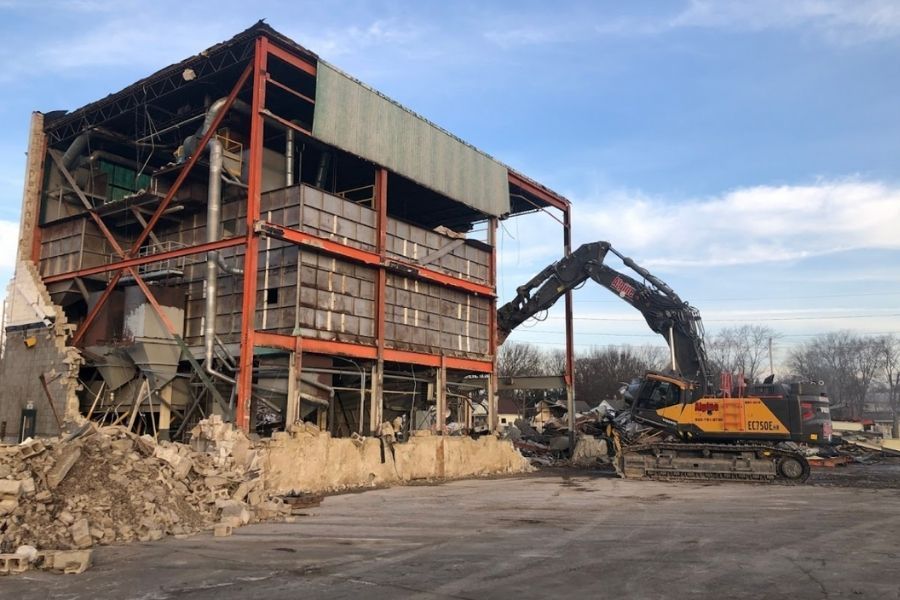
Alpine Demolition Services partners with developers, business owners, and public entities across Chicagoland to evaluate site conditions and plan next steps.
Ready to assess a property?
Contact our team for project-specific insight or
request a bid for a detailed proposal aligned with your redevelopment goals and regulatory requirements.