Commercial Demolition FAQs
Alpine Demolition Services works with business owners, general contractors, and municipal leaders across the Chicagoland area on projects ranging from selective interior demolition to multi-story structural teardowns. This FAQ covers common questions about scope, permitting, safety, scheduling, and cost. Our priority is clear communication, accurate estimates, and disciplined execution, so you can move into the next phase of your project with confidence.
Understanding Commercial Demolition
What qualifies as a commercial demolition project?
A commercial demolition project involves taking down or removing structures used for business, municipal, institutional, or public purposes. This includes office buildings, retail centers, warehouses, healthcare facilities, schools, and mixed-use developments. Projects may involve full structural removal or targeted interior demolition to prepare for renovation or redevelopment. Project sizes range from small single-tenant properties to large campuses being redeveloped in phases.
How does commercial demolition differ from residential or industrial demolition?
Commercial demolition typically involves more complex coordination, stricter regulations, and closer planning around surrounding properties. Residential projects are typically smaller in scale, while industrial demolition often involves heavy manufacturing systems and complex infrastructure. Different demolition methods are selected based on structure type, location, and safety requirements, especially in populated commercial areas where traffic, utilities, and adjacent buildings must be protected.
What types of structures do you commonly demolish?
Alpine Demolition handles multi-story office buildings, retail plazas, restaurants, schools, medical facilities, warehouses, parking structures, and municipal buildings. We also perform interior demolition for tenant build-outs and large renovation projects. Our experience across Chicagoland allows us to manage projects in suburban, industrial, and dense urban settings, including properties with limited access or active neighboring operations.
What’s the difference between full demolition and selective interior demolition?
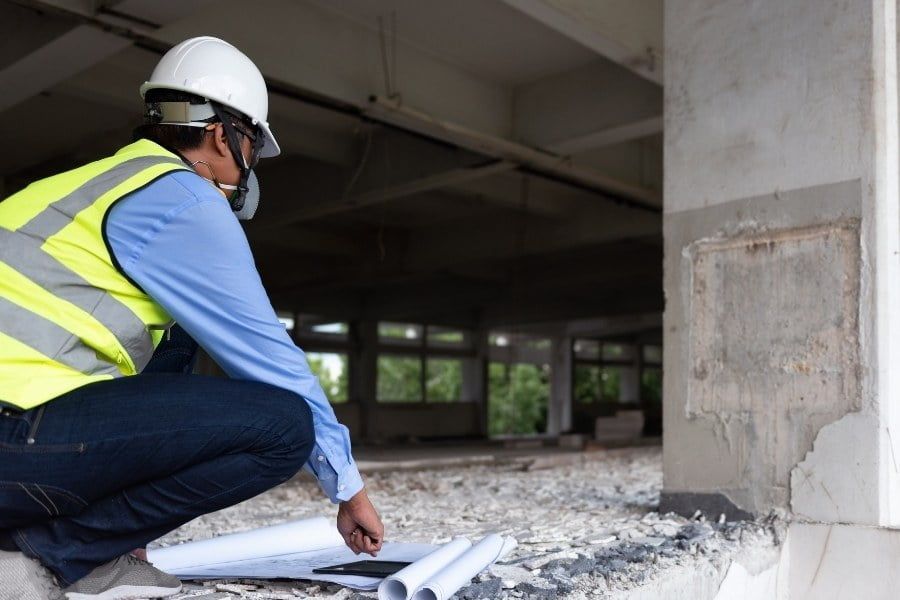
Full demolition removes the entire structure down to grade, including foundations when required. Selective interior demolition focuses on removing specific walls, ceilings, flooring, mechanical systems, or finishes while keeping the main structure intact. Selective work supports phased renovations and tenant improvements within active buildings and requires careful sequencing to protect structural and mechanical systems that remain in place.
What are the first steps in starting a commercial demolition project?
The process begins with a site visit and review of construction documents. We assess structure type, utilities including gas, electric, and water service, hazardous materials, access points, and neighboring properties. We also review structural drawings when available. From there, we develop a detailed estimate and preliminary schedule. Early coordination with owners, general contractors, utility providers, and city officials helps prevent delays later in the project.
Permits, Regulations & Environmental Compliance
What permits are required before a commercial demolition begins?
Most commercial projects require a demolition permit issued by the local municipality. Additional approvals may include utility disconnect confirmations, public right-of-way permits, and environmental documentation. Larger structures may require engineered drawings, structural review, or traffic control plans. Requirements vary across Chicagoland communities, so early coordination helps prevent delays and inspection issues.
Who handles the permitting process—you or the property owner?
Alpine Demolition often takes the lead on the permitting process for property owners and general contractors. We prepare submittals, coordinate required documents, secure required permits, and communicate directly with municipal departments. This streamlines approvals, reduces administrative burden, and keeps schedules intact while maintaining compliance with local ordinances.
How do you deal with asbestos, lead paint, or other hazardous materials?
Illinois regulations require a certified inspection before demolition begins. As part of project planning, we identify asbestos, lead-based paint, or other regulated materials through proper surveys. If hazardous materials are found, licensed abatement contractors remove them before structural teardown. Required notifications are submitted to regulatory agencies, and disposal follows state and federal standards.
What environmental laws apply to commercial demolition in Illinois?
Commercial demolition projects must comply with federal EPA standards and Illinois Environmental Protection Agency regulations. These laws address asbestos notification, air quality controls, debris transport, and waste disposal. Many municipalities have additional local ordinances governing working hours, dust suppression, and hauling routes. Alpine plans around these requirements early in the project to maintain compliance and avoid inspection setbacks.
Planning, Scheduling & Logistics
How long does a typical commercial demolition take?
Project timelines depend on structure size, material type, site access, hazardous material removal, and municipal approvals. A small standalone commercial building may take a few weeks, while a multi-story structure can take several months from mobilization through final site clearance. A detailed project schedule is developed early, so owners and contractors can align demolition with construction start dates.
What factors can impact the project timeline?
Several variables influence duration, including hazardous material abatement, weather conditions, utility disconnects, permit approvals, and structural complexity. Limited site access, restricted hauling hours, or proximity to neighboring properties can also affect progress. Early coordination, accurate estimating, and realistic scheduling reduce unexpected delays and make planning more predictable.
Can demolition work be done around tenants or active operations?
Yes, selective demolition can take place in occupied buildings when properly planned. Work is often phased and scheduled during off-hours to reduce disruption. Temporary barriers, negative air containment when required, controlled access points, and clear communication with property management allow renovations to move forward while portions of the building remain operational.
How do you manage noise, dust, and debris on active job sites?
Noise and dust control measures are built into every project plan. This includes water suppression systems, debris chutes, sealed containment areas, street sweeping, and scheduled hauling to keep sites organized. Ongoing monitoring helps protect neighboring properties and maintain professional job conditions throughout the demolition process.
Do you handle site prep or earthwork after demolition?
Yes. Alpine Demolition can complete final grading, foundation removal, backfilling, and site stabilization once structures are cleared. When demolition is complete, the property is left clean, level, and ready for inspection or new construction. Coordinating demolition and site preparation under one contractor simplifies scheduling and reduces transition time between trades.
Cost, Bidding & Estimates
What does commercial demolition cost on average?
Commercial demolition costs vary based on building size, construction type, site access, hazardous materials, disposal requirements, and schedule constraints. Smaller structures may cost significantly less than multi-story reinforced concrete buildings. A detailed site review and scope evaluation allow us to provide accurate pricing aligned with project requirements and municipal regulations.
What’s included in an Alpine Demolition estimate?
Our estimates outline labor, equipment, debris removal, disposal fees, environmental considerations, project management, and required safety measures. We clearly define the scope of work, assumptions, and exclusions so owners and general contractors understand exactly what is included. This level of detail reduces change orders and helps projects stay financially predictable.
How accurate are your cost projections?
Accuracy is one of Alpine’s key differentiators. Thorough site evaluations, careful quantity assessments, and review of structural conditions allow us to produce reliable projections. We account for access limitations, disposal logistics, and regulatory requirements before submitting numbers. This disciplined approach supports confident budgeting and informed decision-making.
Do you participate in competitive bidding for municipal or private projects?
Yes. Alpine Demolition regularly participates in competitive bidding for municipalities, school districts, developers, and private owners. We are experienced with public bid procedures, documentation requirements, bonding thresholds, and prequalification processes. Alpine is fully licensed, insured, and bonded for large-scale commercial and municipal demolition projects throughout Illinois.
Safety & On-Site Operations
What safety standards do you follow on commercial job sites?
Alpine Demolition follows OSHA regulations along with strict internal safety protocols tailored to each project. Every site operates under a written safety plan that addresses structural hazards, equipment operation, fall protection, public protection measures, and traffic control when required. Pre-demolition meetings and documented inspections support organized, controlled job conditions.
Is your crew OSHA-certified and trained in structural demo safety?
Our crew members receive OSHA training and ongoing education in structural demolition practices. Operators are trained on specialized equipment and safe dismantling procedures for steel, concrete, and multi-story structures. Regular safety meetings, job hazard analyses, and equipment inspections reinforce compliance standards and job-site accountability.
How do you ensure structural integrity during partial demolition?
Before selective demolition begins, we review structural drawings and assess load-bearing components. Temporary supports or shoring systems are installed when required to maintain stability. Coordination with engineers and general contractors helps prevent unintended structural impact during phased or interior demolition work, particularly in multi-story or occupied buildings.
What equipment is used for large-scale commercial projects?
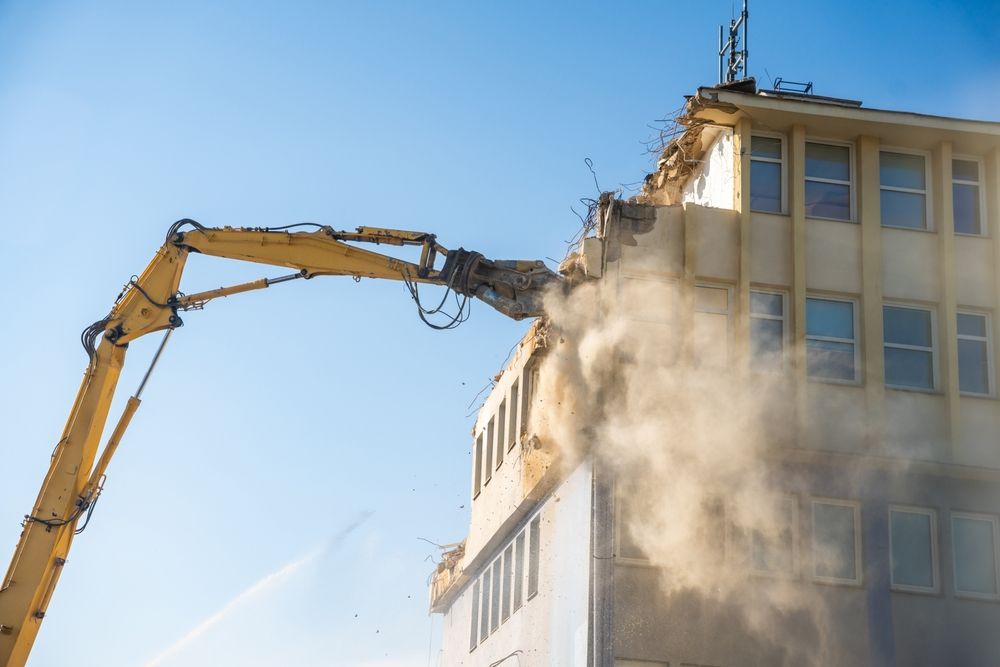
Large-scale projects typically involve high-reach excavators, hydraulic breakers, shears, skid steers, loaders, and hauling equipment. Equipment selection depends on structure height, material type, and site access. Proper equipment pairing improves efficiency, supports safe dismantling, and allows controlled removal of structural components in confined or urban settings.
Recycling & Sustainability
What happens to the materials and debris after demolition?
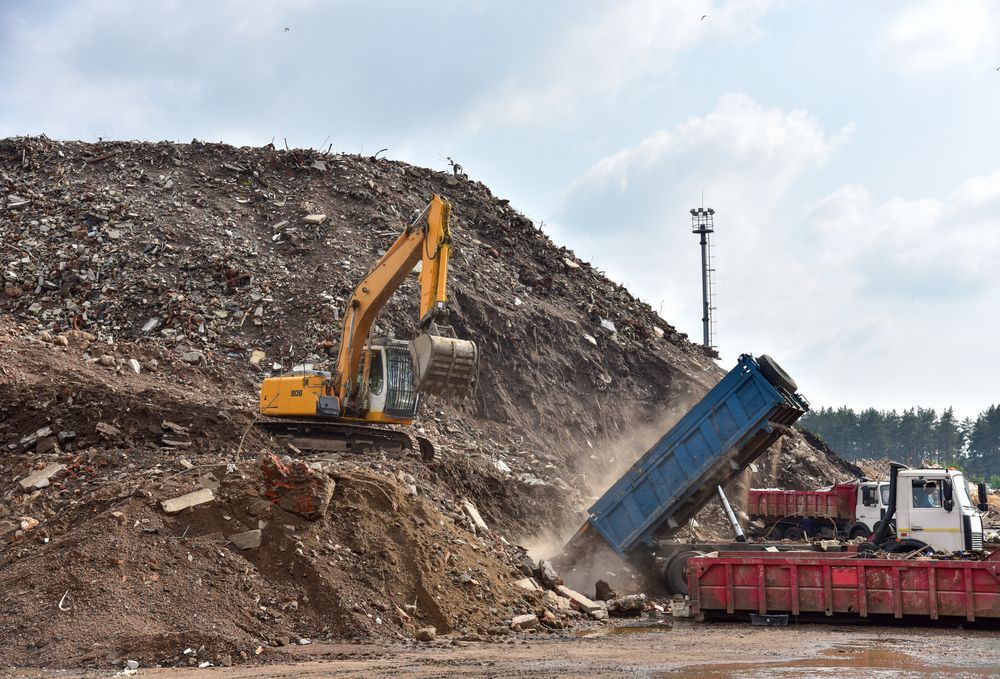
After demolition, materials are sorted and separated for proper disposal or recycling. Concrete, steel, wood, and other recoverable materials are diverted from landfills when feasible. Debris is transported to approved facilities, and managing noise, dust, and air quality remains part of site cleanup and hauling operations. Documentation tracks disposal and recycling quantities throughout the project.
Does Alpine recycle concrete, steel, or other materials?
Yes. Concrete is often crushed for reuse, and structural steel is sent to recycling facilities. Additional materials may be separated depending on project scope and site conditions. Sustainable demolition practices reduce landfill use and support responsible redevelopment across Chicagoland communities.
Can you provide reporting for LEED or sustainability requirements?
Alpine can provide material tracking documentation and recycling reports to support LEED goals or other sustainability benchmarks. We coordinate with project teams to document diversion rates, disposal methods, and material quantities. This reporting supports developers, municipalities, and general contractors pursuing environmentally responsible construction standards.
Specialized Services
Do you offer selective demolition in hospitals, schools, or office buildings?
Yes. Alpine Demolition performs selective interior demolition in sensitive environments such as hospitals, schools, and multi-tenant office buildings. Work is carefully phased and coordinated with facility management to limit disruption. Containment systems, access control procedures, and detailed scheduling help maintain safe conditions during renovation projects.
Can you manage multi-story teardowns in dense urban environments?
Alpine has extensive experience handling multi-story commercial teardowns in tight urban settings throughout Chicagoland. These projects require detailed planning, traffic coordination, structural sequencing, public safety measures, and close communication with neighboring properties. Our team develops controlled dismantling plans that support surrounding infrastructure while keeping projects on schedule.
From Our Clients
We love the work we've accomplished with our clients! Here's what some have to say about their experience with Alpine.


Demolition Details
Our Latest Resources
Keep up with Alpine Demolition's current thoughts, stories, and reports in the industry.




Let's Get Your Project Started
Alpine Demolition is a full service demolition contractor. We demolish buildings, infrastructure, railroads, interior, and provide specialty demolitions.
Interested in our services? Fill out our contact form or call 630.761.0700.