Understanding NESHAP Rules for Commercial Demolition
Share this article:
Commercial demolition projects often begin with clear timelines and defined scopes, yet environmental regulations can quickly reshape expectations. What appears straightforward on paper can shift once hazardous materials enter the conversation. This creates tension between project momentum and regulatory responsibility. For property owners and municipalities, clarity becomes necessary before any structure comes down. A working knowledge of federal standards helps bridge that gap, turning uncertainty into a structured path forward.
What Is NESHAP? Key Rules Explained
The question often begins with what NESHAP is, especially when demolition plans move from concept to execution. For many owners and project teams, understanding the NESHAP meaning starts with how the regulation actually functions in the field. NESHAP stands for National Emission Standards for Hazardous Air Pollutants, a federal set of regulations established by the Environmental Protection Agency. These rules are designed to control the release of harmful substances into the air during activities like demolition and renovation.
Within commercial demolition, NESHAP focuses on materials that may contain hazardous fibers or pollutants. It sets expectations for how structures are evaluated, how materials are handled, and what steps must be taken before any work begins. This framework builds a consistent process that connects project planning with environmental responsibility.
Contractors who know these regulations well, along with recognized benchmarks such as
National Demolition Association (NDA) certifications, bring a higher level of accountability to each phase of the project. This alignment helps projects move forward with fewer interruptions and clearer expectations for everyone involved.
Understanding Asbestos NESHAP Regulations
Among the many components of NESHAP, asbestos receives the most attention because of its direct impact on air quality and public health. In this context, asbestos refers to the portion of the regulation that governs how asbestos‑containing materials are identified, handled, and removed during demolition activities.
Before any structure is disturbed, a thorough inspection must confirm the presence and condition of these materials. If asbestos is found above regulated thresholds, specific procedures must follow, including proper containment and certified removal processes. At that point,
asbestos abatement becomes part of the broader demolition timeline, often influencing both scheduling and cost expectations.
Clear coordination between inspection findings and removal procedures keeps projects aligned with federal standards. It also lowers the risk of unexpected delays once demolition begins, helping teams maintain steady progress while meeting regulatory obligations. When managed correctly, these steps also protect surrounding properties, occupants, and the broader community from airborne exposure risks.
When NESHAP Applies to Demolition Projects
Not every demolition project triggers federal oversight, but many commercial structures fall within NESHAP’s scope. It applies based on factors such as building size, material composition, and the presence of regulated asbestos‑containing materials. Early evaluation plays a central role in determining the next steps.
Several conditions commonly bring a project under NESHAP jurisdiction:
- Structures that exceed regulated size thresholds based on square footage
- Buildings with known or suspected asbestos-containing materials
- Renovation work that disturbs regulated materials without full structural removal
- Facilities scheduled for partial demolition where hazardous materials remain in place
- Properties that have been idle but still contain regulated substances
- Sites undergoing ownership transfer where environmental due diligence is required
- Older buildings constructed before modern material restrictions were in place
- Government or municipal projects subject to stricter environmental oversight
At this stage, planning becomes more detailed. An
engineered demolition plan helps align inspection findings with project execution, outlining how materials will be managed and how compliance will be maintained throughout the process.
NESHAP Notification and Inspection Requirements
Once a project falls under NESHAP, documentation and timing become central. Before demolition begins, specific notifications and inspections must be completed and submitted to the appropriate regulatory agencies. These steps create a formal record of the project and confirm that key environmental considerations have been addressed.
Key requirements typically include:
- A comprehensive asbestos inspection conducted by a licensed professional
- Written notification submitted within mandated timeframes before demolition
- Detailed reporting of material quantities and conditions
- Identification of removal methods for regulated materials
- Coordination with local and federal authorities for approval
- On-site documentation is maintained throughout the project lifecycle
- Clear communication between property owners, contractors, and inspectors
- Verification that all regulated materials have been properly addressed before structural work begins
As these elements come together, a
demolition site safety plan ties compliance requirements to on‑site execution. This structured approach keeps teams aligned, lowers the chance of missed steps, and supports steady progress as the project moves forward.
Working with Contractors for NESHAP Compliance
As projects move from planning into active demolition, the contractor’s role becomes more defined. Compliance is not limited to paperwork; it extends into daily operations, site conditions, and team coordination. Choosing a contractor with a strong understanding of regulated demolition helps keep each phase aligned with federal expectations.
Effective collaboration depends on clear communication of inspection findings, thoughtful sequencing of asbestos removal, and consistent coordination across all teams on site. Contractors must also maintain accurate documentation while overseeing material handling and disposal in line with regulatory standards.
Field operations introduce additional responsibilities, particularly related to worker safety. Consistent use of
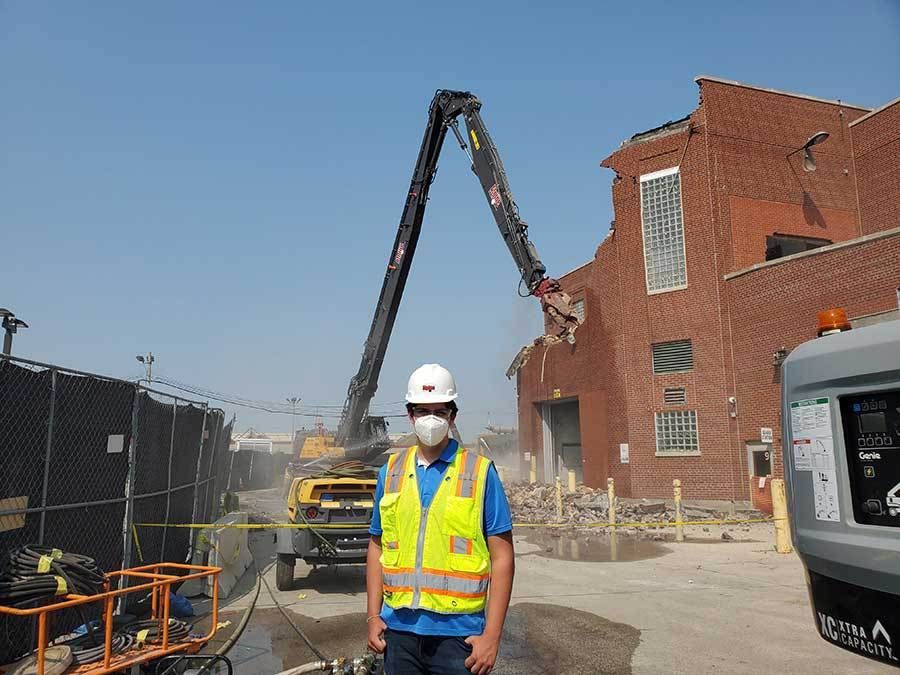
personal protective equipment (PPE) lowers exposure risks and supports a controlled work environment. When these practices are built into daily operations, projects tend to move with greater consistency and fewer disruptions from start to finish, even as conditions change on active job sites.
Avoiding Fines Through Proper NESHAP Compliance
Regulatory missteps in demolition projects often lead to more than paperwork issues. Delays, financial penalties, and strained project timelines can follow when requirements are overlooked or incomplete. For property owners and municipalities, these setbacks can disrupt broader development goals and create unnecessary complications.
A proactive approach to compliance keeps projects aligned from the earliest planning stages through final site clearance. Working with an experienced contractor like Alpine Demolition Services brings clarity to each phase, from inspection coordination to regulated material handling and documentation. This consistency helps lower exposure to enforcement actions while maintaining steady project momentum.
For those planning an upcoming demolition, early coordination can make a measurable difference. To discuss project details or next steps,
contact Alpine Demolition Services or
request a bid and begin the process with a team that understands the full scope of regulated demolition work, helping projects stay aligned with expectations from start to finish.