Creating a Demolition Site-Specific Safety Plan
Share this article:
Every demolition site tells a different story: what stood before, what needs to come, and what surrounds it. Too often,
safety is approached with a broad brush. But in demolition, small details carry big consequences. A general plan doesn’t account for aging structures, hidden utilities, or nearby businesses. Without a safety plan, crews are left reacting instead of anticipating. Preparation brings stability. It also builds trust on every side of the fence.
Understanding the Importance of a Site-Specific Safety Plan
No two demolition sites share the same risks. What’s routine on one project might be hazardous on another. A
site-specific safety plan (SSSP) allows crews to plan around real conditions rather than assumptions. It accounts for structural weaknesses, access routes, utility shutoffs, adjacent properties, and local regulations well before boots hit the ground.
Such planning promotes safer work zones, reduces the chance of injury, and keeps demolition timelines from derailing due to overlooked hazards. For project managers and city officials, it also adds a layer of transparency. When safety is clearly mapped out, it’s easier to coordinate with surrounding stakeholders, avoid miscommunication, and limit disruption to nearby operations or traffic.
A well-developed SSSP isn’t just paperwork. It becomes a shared reference point that anchors daily operations, helping teams stay focused, compliant, and ready when conditions shift. Consistency starts with clarity, and clarity starts at the planning table.
Assessing Hazards Unique to Your Demolition Project
Before any equipment moves in, a demolition site needs a focused hazard assessment. Each structure carries its own history, materials, and risks. A safety plan starts by identifying the conditions that could affect safety, timelines, and surrounding areas.
Common hazard categories include:
- Structural Instability: Unreinforced walls, sagging floors, or compromised support beams
- Hazardous Materials: Asbestos, lead-based paint, PCBs, or contaminated soil
- Utility Conflicts: Live electrical lines, gas service, or water mains not yet disconnected
- Adjacent Structures: Shared walls, tight lot lines, or nearby public walkways
- Environmental Factors: Wind exposure, heavy rain, extreme temperatures, or limited visibility
- Access Constraints: Narrow alleys, overhead obstructions, or restricted entry points
Reviewing a
demolition safety checklist at this stage helps confirm that nothing is missed. Documenting and addressing these hazards early contributes to safer execution and fewer surprises. It also allows project stakeholders to make more informed decisions during each phase of demolition.
Defining Roles and Responsibilities On-Site
Clarity around responsibilities keeps demolition projects organized and safe. A site-specific safety plan outlines who is accountable for specific tasks, from daily inspections to emergency response. Without this structure, even experienced crews can end up duplicating efforts or missing key steps.
Key roles typically include:
- Safety Officer: Conducts inspections, enforces safety standards, and maintains documentation
- Site Superintendent: Oversees day-to-day operations, monitors safety protocols, and coordinates with project stakeholders
- Equipment Operators: Responsible for safe handling, pre-use checks, and immediate reporting of any issues
- Laborers and Crew Leads: Follow assigned procedures, report hazards, and support each other in staying compliant
- Subcontractors: Integrate into the safety framework and follow site-specific instructions
- Emergency Contact Lead: Manages communication if an incident occurs, ensuring timely action and accurate reporting
Defining these roles in advance helps the team work together with less confusion and greater accountability.
Integrating Environmental and Structural Considerations
Demolition doesn’t happen in isolation. Surrounding structures, soil stability, and material types all influence how a site is approached. A safety plan brings these variables together into one coordinated approach. Structural concerns like unsupported spans, load transfers, or buried foundations must be evaluated alongside site grading, weather exposure, and vibration sensitivity.
Environmental conditions also factor in. Older buildings may contain hazardous materials that require controlled removal and proper disposal. Dust and debris management becomes especially important in dense urban areas or near schools, medical centers, and commercial zones. Drainage, stormwater runoff, and wildlife requirements may also come into play depending on location and season.
When environmental and structural risks are addressed together rather than separately, project teams can make more informed choices about sequencing, equipment, and protective barriers. This kind of coordination helps limit delays and keeps safety front and center.
Emergency Preparedness and Response Protocols
Even well-planned demolition projects can face unexpected events. Equipment malfunctions, utility strikes, or sudden structural shifts can put crews and the surrounding areas at risk. A strong site-specific safety plan includes clearly documented emergency procedures that help teams to respond quickly and keep incidents from escalating.
Key components typically include:
- Evacuation Routes and Assembly Areas: Marked paths and meeting zones for fast, safe exit
- On-Site Medical Response: Designated first aid stations, personnel, and communication channels
- Utility Shutdown Procedures: Steps for isolating electrical, gas, or water lines in case of breach
- Incident Reporting: Defined process for documenting and communicating any event immediately
- Coordination with Local Services: Pre-established contact with fire, police, or medical responders
- Post-Incident Review: Internal process to evaluate response and adjust protocols if needed
This level of preparation helps reduce confusion and promotes quicker recovery when time matters most.
Ensuring Ongoing Training and Compliance Monitoring
A strong safety plan does not stop once demolition begins. Site conditions shift, scopes evolve, and new workers may join mid-project. That is why ongoing training and real-time compliance monitoring are built into a safety plan. Regular check-ins help reinforce protocols, identify gaps, and adjust for changing conditions without disrupting momentum.
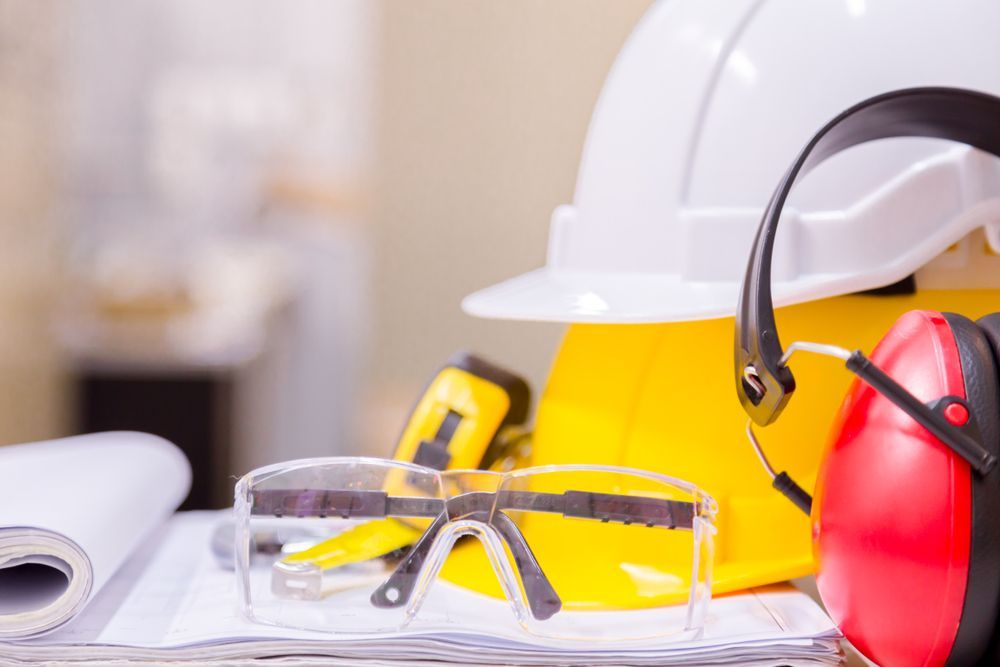
Toolbox talks, documented inspections, and task-specific refreshers keep teams alert and aligned. When crews understand the reasons behind procedures, engagement improves, and costly missteps become less frequent. Alpine works closely with project managers to make sure compliance is not just tracked but actively supported on-site. A strong safety culture also supports Alpine’s industry-leading EMR rating, a key metric in evaluating risk and reliability on complex projects.
Safety is not a one-time task. It is a rhythm built into the work itself. If you are planning a demolition project and want a safety-first partner who builds structure into every stage,
contact Alpine Demolition to start a conversation. We are ready to help you plan with precision and confidence.