How Safety Meetings Protect Your Demolition Site
Share this article:
Demolition sites are safest and most predictable when safety meetings turn a written plan into daily action. While site-specific safety plans, engineered demolition plans, and risk assessments establish the framework, demolition safety meetings keep crews aligned as conditions change throughout the project. Without that routine communication, even well-planned projects can experience coordination gaps, overlooked hazards, schedule disruptions, and increased liability exposure. The most successful demolition projects use safety meetings as the operating rhythm that connects planning, field execution, and accountability.
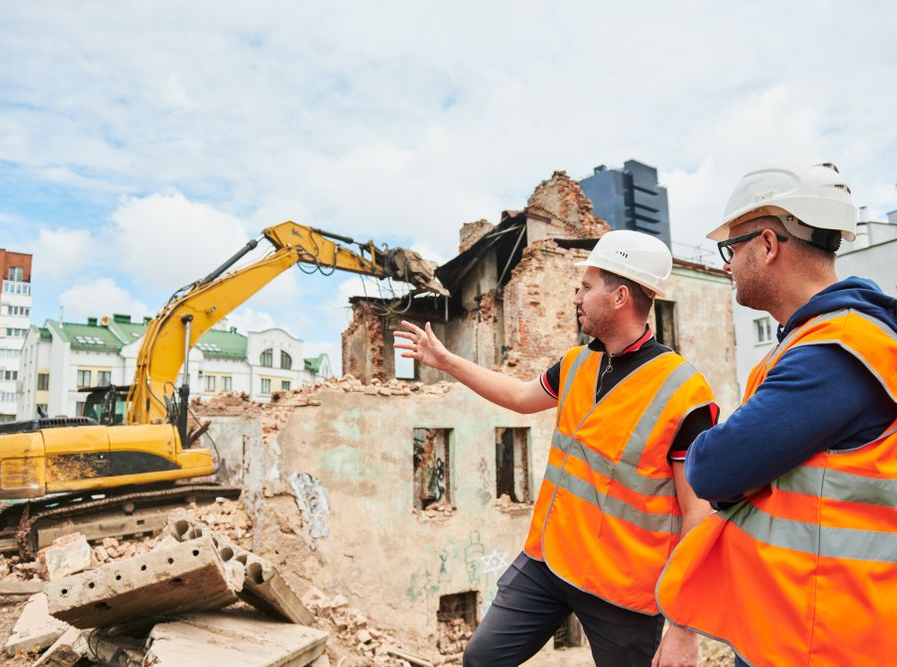
Why Demolition Sites Live or Die on the Quality of Their Safety Meetings
Every demolition project begins with planning, but plans alone do not keep a jobsite aligned once work is underway. Structures change daily, access routes shift, new hazards emerge, and multiple trades often share the same work area. Safety meetings create the communication structure that keeps everyone operating from the same understanding of the day's conditions.
For project owners, general contractors, and construction managers, the value extends far beyond compliance. Strong meetings help crews identify hazards before work begins, coordinate activities between teams, and reinforce the controls identified during a demolition risk assessment. They also create accountability by confirming that expectations are understood before equipment starts moving and structures start coming down.
When safety meetings are consistent and tied directly to field conditions, projects tend to run with fewer disruptions, fewer incidents, and greater confidence across the entire team throughout the duration of the project.
The Meeting Cadence That Actually Holds a Demo Site Together
Effective safety meetings are not a single event at the start of a project. Demolition work changes too quickly. The strongest sites establish a consistent meeting cadence that keeps crews aligned with current conditions, upcoming activities, and evolving hazards throughout the project.
Pre-task huddles are tied to that day's specific demo activity
Pre-task huddles focus on the work planned for that day and the hazards associated with it. Crews review the scope, equipment, work areas, and any changes since the previous shift. Because demolition conditions can change rapidly, these short discussions help confirm that everyone understands the task, the controls in place, and how the work will be sequenced before operations begin. They also create an opportunity to address questions before work starts.
Daily site-wide meetings for shared hazards and crew coordination
Daily site-wide meetings bring together supervisors, operators, laborers, and subcontractors to discuss conditions that affect the project. Topics may include traffic flow, exclusion zones, utility concerns, weather conditions, and overlapping work activities. This communication helps prevent misunderstandings between crews and keeps everyone informed about hazards beyond their work area. As projects progress, that coordination becomes important across larger demolition projects.
Weekly toolbox talks that go deeper on one risk at a time
Weekly toolbox talks create space for more focused discussions on recurring demolition hazards. Rather than covering every topic at once, these meetings concentrate on a single subject such as fall protection, silica exposure, fire prevention, or equipment safety. The added depth helps reinforce safe work practices and keeps important risks from becoming background noise on the jobsite. Over time, these conversations help strengthen overall site awareness and accountability.
How Safety Meetings Bring the Site-Specific Safety Plan to Life
A safety plan only has value when it influences decisions in the field. While a demolition site-specific safety plan identifies hazards, establishes procedures, and outlines project controls, safety meetings are what connect those requirements to the work taking place each day.
As demolition activities progress, conditions can change far more quickly than the written plan itself. New access points may be created, work areas may shift, and different equipment or crews may move into the project. Safety meetings create a structured opportunity to review those changes and confirm that the plan still reflects current site conditions.
They also help reinforce key responsibilities across the project team. Supervisors can communicate updated expectations, crews can raise concerns, and subcontractors can stay aligned with the same safety objectives. This ongoing communication keeps the plan active rather than allowing it to become a document that is referenced only during project startup. When planning and field execution remain connected, projects are typically better positioned to maintain safety, coordination, and operational consistency.
What a Strong Demolition Safety Meeting Actually Covers
The most effective safety meetings are specific to the work being performed rather than relying on generic reminders. Crews should leave the discussion with a clear understanding of the day's activities, the hazards associated with those tasks, and the controls in place to reduce risk.
Topics often include changes to the work area, equipment being used, utility conditions, traffic patterns, exclusion zones, and emergency procedures. Meetings may also address weather impacts, housekeeping concerns, material handling, and coordination between multiple trades operating on the site.
A strong meeting should also revisit the findings of any recent demolition risk assessment and discuss how those findings apply to current conditions. This helps keep identified hazards visible as the project progresses and work areas evolve.
Most importantly, the conversation should be relevant to the actual work scheduled for that shift. When crews understand how safety expectations connect to the tasks directly in front of them, meetings become a practical part of project execution rather than a routine administrative exercise. That level of alignment can help reduce confusion, delays, and avoidable incidents.
Matching the Meeting Topic to the Day's Demo Activity
Effective safety meetings reflect the work planned for that specific shift. Different demolition activities create different hazards, so the discussion should address the risks crews are most likely to encounter, including equipment use, exposure concerns, exclusion zones, and
personal protective equipment (PPE) requirements.
Hot work days, cutting torches, grinding, and welding precautions
Hot work activities introduce fire risks, flying sparks, heat exposure, and ignition sources that may not be present during other phases of demolition. Safety meetings should review fire prevention measures, permit requirements, nearby combustible materials, and emergency communication procedures. Crews should also discuss work area inspections, fire watch responsibilities, equipment condition, and the location of suppression equipment. Addressing these topics beforehand helps reduce the likelihood of preventable incidents during hot work operations.
Abatement days, asbestos, lead, silica, and respiratory protection
Abatement activities involve hazards that demand careful planning and strict adherence to established procedures. Safety meetings should address containment areas, exposure controls, air monitoring requirements, decontamination processes, and respiratory protection measures. Because these projects often involve specialized subcontractors, meetings also help keep all personnel aware of restricted zones and required precautions. Clear communication before work begins helps maintain compliance and reduces the potential for accidental exposure to hazardous materials.
High-reach and structural takedown days, exclusion zones, and collapse prevention
Structural demolition and high-reach operations carry unique risks related to falling debris, changing load paths, and unexpected structural movement. Safety meetings should review the planned demolition sequence, equipment positioning, exclusion zone boundaries, and communication expectations between operators and ground personnel. Discussions should also cover changing site conditions and emergency response procedures. Reviewing these topics before work begins helps reinforce project controls and keeps crews aligned throughout the day's operations.
Including Subcontractors in the Safety Conversation
Demolition projects rarely involve a single crew working in isolation. Abatement contractors, trucking companies, recycling providers, and specialty trades may all be active on the same site at different stages of the project. Without consistent communication, gaps can develop between teams that create unnecessary risk and confusion.
Safety meetings help bring all parties into the same conversation. They create an opportunity to discuss shared work areas, changing site conditions, scheduling impacts, and responsibilities related to specific hazards. This is particularly important when subcontractors are entering an active demolition environment for the first time.
When everyone receives the same information and understands the same expectations, coordination becomes more effective across the project. That alignment helps reduce misunderstandings, promotes accountability, and creates a safer work environment for every company operating on the site. It also helps project leadership identify potential conflicts before they affect site operations.
How to Run a Meeting Crews Actually Listen To
The most effective safety meetings are focused, relevant, and directly connected to the work ahead. Crews are far more likely to stay engaged when discussions address actual site conditions rather than generic safety topics that could apply to any project.
Strong meetings typically share three characteristics:
- They are specific to the day's work. Discussions should focus on the tasks, hazards, and controls crews will encounter during that shift.
- They encourage participation. Supervisors should create opportunities for questions, observations, and feedback from personnel working closest to the hazards.
- They remain concise and organized. A clear agenda helps keep attention focused while still covering the information needed before work begins.
When meetings are practical and relevant, they become a valuable part of project execution rather than another item on the schedule. Consistent engagement also helps reinforce communication, strengthen coordination, and keep safety expectations visible throughout the project.
Documenting Demolition Safety Meetings Without Drowning the Foreman in Paperwork
Safety meeting documentation serves an important purpose, but the process should not consume valuable time in the field. The goal is to create a clear record of communication while keeping administrative tasks manageable for supervisors and project teams.
Effective documentation often includes:
- The date, time, and topic discussed
- Names or signatures of attendees
- Hazards reviewed and controls discussed
- Project-specific updates or changing site conditions
- Corrective actions, follow-up items, or unresolved concerns
- Attendance records for subcontractors and visiting personnel
Many contractors use standardized forms or digital systems to simplify recordkeeping and maintain consistency across projects. When documentation is organized and easy to complete, crews are more likely to keep records current and accurate. That creates a reliable record of site communication without adding unnecessary administrative burdens to daily operations. It also creates documentation that can be referenced during audits, investigations, client reviews, and internal project evaluations when questions arise later in the project.
Why Meeting Documentation Affects EMR Rating and Bid Eligibility
For many project owners and general contractors, safety performance is evaluated long before demolition work begins. Contractors are often asked to submit safety records, training documentation, incident history, and other information as part of the prequalification process. The quality of a company's safety program can influence both bid opportunities and project selection.
Documented safety meetings help demonstrate that safety procedures are actively communicated and reinforced throughout a project. While meeting records alone do not determine an
experience modifier rate (EMR), they contribute to the broader documentation that reflects a company's commitment to managing risk and maintaining consistent safety practices.
This becomes particularly important when pursuing public-sector work, large commercial projects, or contracts with strict prequalification requirements. Owners and construction managers want confidence that safety expectations are supported by documented processes rather than informal conversations.
When meeting records are complete, organized, and consistently maintained, they help strengthen a contractor's overall safety profile. Over time, that documentation can become a valuable part of demonstrating professionalism, accountability, and operational discipline during the bidding process and project review process.
How Alpine Builds Safety Meetings Into Every Project
At
Alpine Demolition, safety meetings are treated as a core part of project execution rather than a task completed to satisfy requirements. Every project begins with careful planning, but maintaining a safe and coordinated jobsite depends on consistent communication as work progresses. Safety meetings help connect project goals, field conditions, and daily activities so crews remain aligned throughout the demolition process.
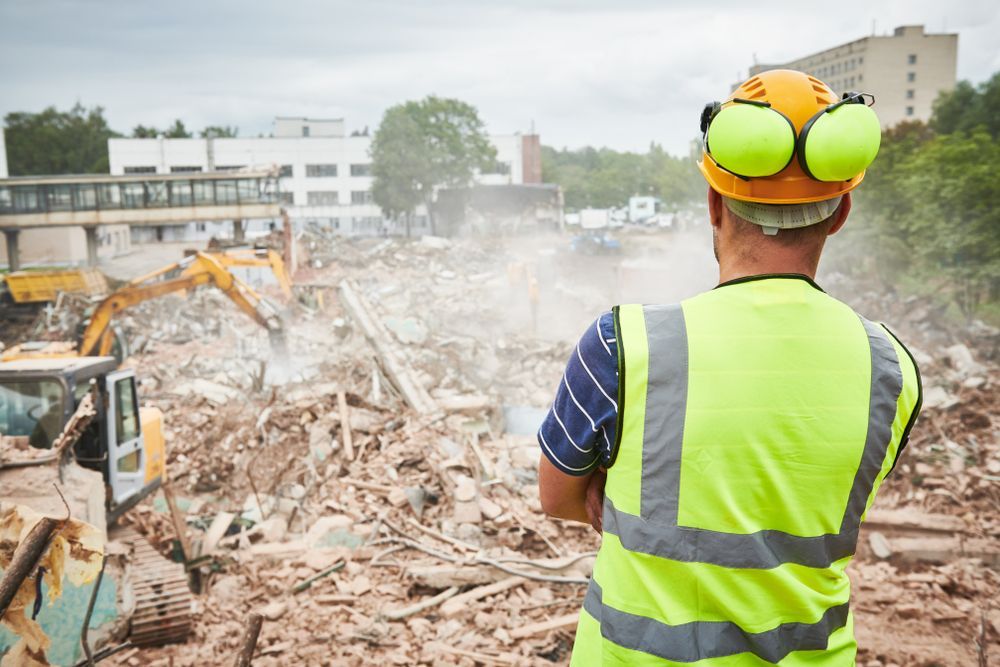
Topics are tailored to the work taking place on-site, allowing project teams to address changing conditions, upcoming tasks, equipment considerations, and potential hazards as they arise. This structured approach helps keep demo safety expectations visible while reinforcing accountability across crews, supervisors, and subcontractors.
By integrating safety meetings into the daily rhythm of a project, Alpine helps create safer jobsites, stronger coordination, and more predictable project outcomes. For owners, developers, municipalities, and general contractors, that translates into greater confidence from project kickoff through completion.
If you are planning an upcoming demolition project, contact Alpine Demolition to discuss your goals and request a project consultation.